Missing the target in a Pictionary round isn’t just bad luck—it’s often a predictable pattern of visual, linguistic, and strategic missteps. By pinpointing where your sketches, clue‑interpretations, or team dynamics break down, you can turn a frequent loss into a repeatable win. Below is a concise, question‑driven guide that walks experienced hobbyists through the most common pitfalls and the concrete steps to fix them.
What Visual Shortcuts Are Sabotaging Your Drawings?
Even seasoned players tend to rely on shorthand symbols that teammates don’t share. A lightning bolt for “electricity,” a clock for “time,” or a single line for “road” may be clear to you, but the visual vocabulary of your group varies. Use universally recognizable shapes—simple circles for faces, straight lines for limbs, and clear spatial relationships—before resorting to abstract icons.
How Does Word Ambiguity Lead to Wrong Guesses?
Many Pictionary cards contain words that are homonyms or have multiple meanings (e.g., “bat,” “lead,” “bank”). If you choose a meaning that isn’t the intended one, teammates waste time chasing irrelevant sketches. A quick mental check: ask yourself, “Is there a more common or concrete sense of this word?” If doubt remains, start the drawing with a clarifying element (e.g., a baseball bat rather than an animal) to steer your team.
Why Does Team Communication Matter More Than Individual Skill?
Effective Pictionary play hinges on shared expectations. Teams that discuss their drawing conventions beforehand—agreeing on what a “person” silhouette or a “wave” looks like—reduce misinterpretation. A brief pre‑game meeting to align on symbol usage and clue‑response timing can shave seconds off each round, often the margin between victory and defeat.
How Can the “Five Whys” Method Reveal Hidden Errors?
The “Five Whys” technique, traditionally used in root‑cause analysis, works equally well for Pictionary blunders. By asking “Why?” repeatedly, you trace a mistake back to its source.
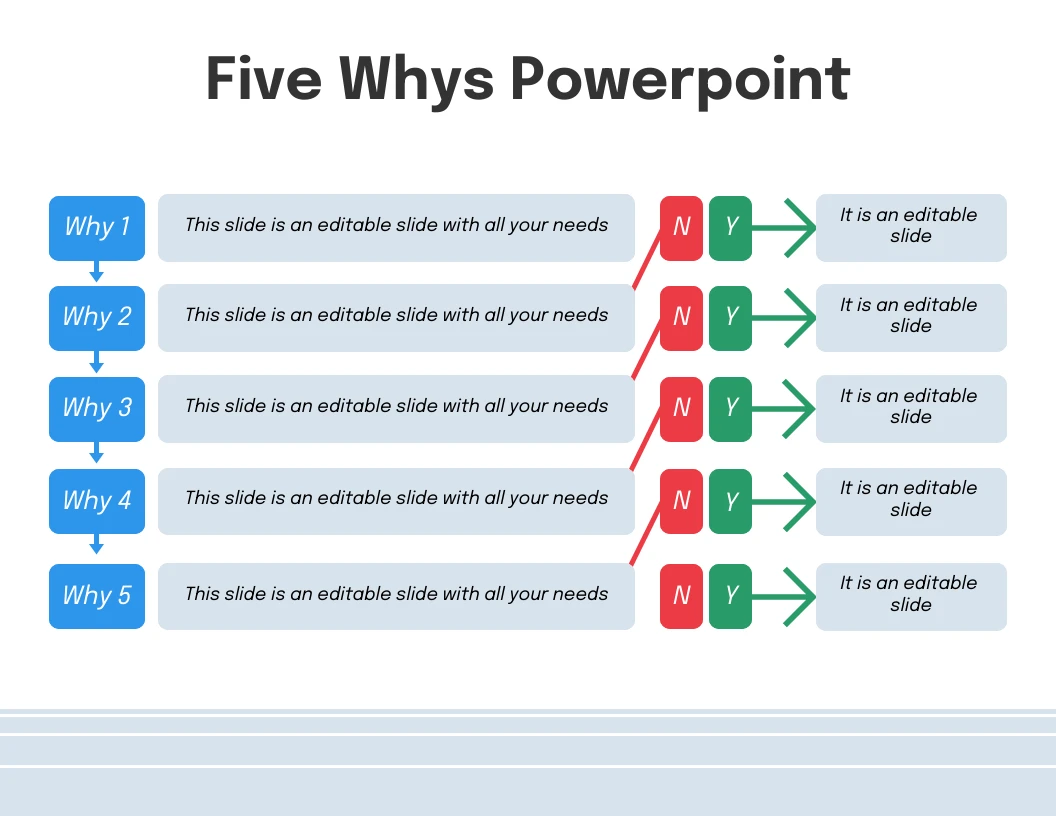
Example:
- Why did the team guess “river” instead of “road”? — The drawing lacked a distinct road surface.
- Why was the road surface unclear? — The line was too thin and blended with background shading.
- Why was the line thin? — The artist used a quick, light stroke to save time.
- Why was there pressure to save time? — The round clock was approaching the limit.
- Why was the clock a pressure point? — The team had not practiced pacing, leading to rushed sketches.
Addressing the root cause—improving pacing and line thickness—prevents the same mistake in future rounds.
What Practical Steps Immediately Raise Your Success Rate?
- Standardize a Mini‑Icon Library: Create a cheat sheet of 10‑15 universally accepted symbols and review it before each session.
- Practice Dual‑Meaning Words: Run a quick drill on ambiguous cards, deliberately drawing each possible meaning to train rapid identification.
- Set a “First‑Stroke” Rule: Begin every drawing with a simple, unmistakable anchor (e.g., a head for a person, a base line for an object) to give teammates a reference point.
- Time‑Box Sketches: Use a kitchen timer to allocate no more than 15 seconds for the initial outline, then refine details.
- Conduct a Post‑Round Review: After each game, spend two minutes discussing any miscommunications and note them in a shared log.
What Long‑Term Benefits Emerge From Correcting These Mistakes?
Beyond winning more rounds, mastering these adjustments builds visual‑linguistic fluency that translates to other hobbies—board game storytelling, improv theatre, and even remote collaboration where sketches replace screenshots. The disciplined habit of clarifying intent before execution also sharpens problem‑solving skills, making you a more adaptable player in any group setting.
Why Do We Use Time At Walter Lawrence Blog

Why Do We Use Time at Walter Lawrence blog
All Categories - Juicyfreeware

All Categories - juicyfreeware
Why Do Gamers Have Multiple Monitors - BEST GAME CONSOLE

Why Do Gamers Have Multiple Monitors - BEST GAME CONSOLE
Why And When

Why And When